Join us at TESS 2026
Pre-Conference Webinars
TESS will offer a virtual webinar in advance of the in-person conference.
In-Person Conference
November 12–13
The Quay — Toronto
Conference Livestream
Register for the Conference Livestream
Celebrating 10 Years of TESS – Registration is Now Open
Ten years. Countless ideas and conversations. One community that keeps growing.
Over the past decade, Ontario’s postsecondary digital learning community has come together each year at TESS to reconnect with colleagues, discover what’s next, share what’s working, and imagine what’s possible.
Now, we’re celebrating 10 years of TESS—Join the community of educators, innovators, entrepreneurs and changemakers to celebrate this milestone at Ontario’s favourite technology and education conference.
This year’s theme, Human by Design, asks an increasingly important question: as technology transforms education, how do we make sure people remain at the center?
Across two full days, TESS 2026 will bring together more than 500 members of the postsecondary community for thought-provoking conversations, interactive sessions, hands-on workshops and plenty of opportunities to connect. We’ll explore how technology can expand access, flexibility, and affordability while creating meaningful learning experiences.
Come celebrate 10 years of great ideas, connections and community.
And help us shape the next 10.
In-Person Conference — November 12 and 13, 2026
Date:
November 12 and 13, 2026
Location: The Quay — Toronto, Ontario
The Quay is an accessible venue. For more information, please click the link below:
Theme: Human by Design — Designing Digital Futures that Work for Learners
This year’s theme explores how we can design digital futures that support learners on every level of their educational and professional journey. Digital transformation in education centers on people, fostering adaptable and engaged learners. By prioritizing human values and benefits — accessibility, flexibility, affordability — that are unavailable through traditional methods alone, digital learning supports unique opportunities for growth and lifelong skills for collaborating in a tech-driven world. As learners gain confidence and essential abilities, they can contribute meaningfully to the communities where they learn, live and work.
We invite you to tap into the sector’s collective knowledge to explore new ideas, expand access to education, and equip learners with the skills needed to build a brighter future.
Registration is now open. Limited tickets are available.
Travel Bursary
Faculty, staff, administrators, and students of eCampusOntario member institutions may apply for a travel bursary to attend TESS 2026 in-person. Applications will remain open until 5:00 pm ET on October 30, 2026, or until available funds are exhausted. Don’t wait – apply today!
Conference Highlights
30+ Engaging Sessions
Explore emerging trends, cutting-edge technologies, and proven methods to thrive in hybrid learning environments from experts and peers across the sector.
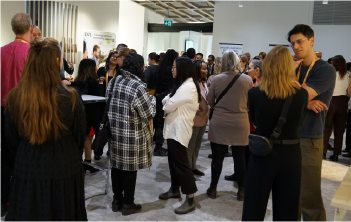
Lunch Social and
Networking Reception
Connect with hundreds of postsecondary professionals through dedicated networking events, collaborative discussions, and community-building activities.
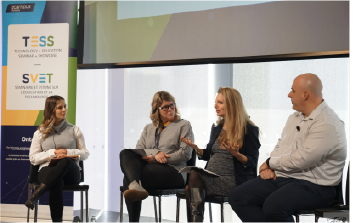
Live Panel Discussion
Thought leaders share the latest insights about new technology and pedagogy.
Keynotes

Dr. Kris Alexander
Associate Professor at Toronto Metropolitan University, Director of the Red Bull Gaming Hub
Start with the Human: How Game Design Principles Create Digital Learning Experiences That Stick
Video games are the most successful learning systems ever designed, not because of their technology, but because they are built around how humans actually pay attention, stay motivated, process information across multiple channels, recover from failure, and transfer skills to new contexts. In this keynote, Dr. Kris Alexander draws on the blueprint hidden inside games (and the AI tools that now extend it) to show how we can design digital learning that prioritizes human needs first. Drawing on practical examples from large-scale courses, health and training simulations, and AI-enhanced pedagogy, the talk offers concrete approaches for centering the learner experience, embedding human values (flexibility, authenticity, choice, connection, relevance), and structuring learning so that knowledge transfers to real workplace contexts. The goal is simple: digital futures that feel human by design.

Human by Design, Step by Step
Technology and innovation, including AI, are reshaping the work faculty, staff, and leaders do every day, often faster than anyone can fully keep up with. Designing digital futures that genuinely work for learners means designing for the humans doing the work too: the confidence to try, the room to adapt, and the willingness to lead without all the answers.
Carley opens with a human-centred case for taking the next small step instead of waiting for the perfect plan, especially when resources are tight and the ground keeps shifting. She’ll then sit down with Robert Luke for a fireside conversation on what human by design really looks like across Ontario’s postsecondary sector, followed by audience Q&A.

Lights On: Human by Design Starts with the Science of Learning
John Sweller, creator of cognitive load theory, said, “Without an understanding of the human cognitive architecture, instruction is blind.” Yet amid the pace of digital transformation, it is easy to lose sight of how humans actually learn. As online learning, eLearning, and AI-powered tools reshape postsecondary education, we often design around what technology makes possible without giving adequate consideration to what learners need to understand, remember, and apply new knowledge.
This keynote takes TESS’s Human by Design theme at its word: if we are serious about designing digital futures that work for learners, design must begin with the human doing the learning, not the tool doing the delivering. Drawing on research from the science of learning, the session explores how attention, prior knowledge, working memory, practice, and feedback shape learning, and how these insights can inform the design of more effective digital experiences. It will also examine why even innovative instructional designs sometimes fail to produce the deep, lasting learning they are intended to support.
Attendees will leave with a clearer understanding of how human cognitive architecture should inform instructional design, how cognitive overload can enter the learning process, and how practical, evidence-informed principles can be used to create learning experiences that promote understanding, retention, and transfer. We must ensure that how people actually learn remains central to the design process, so that the learning experiences we create are genuinely human by design.
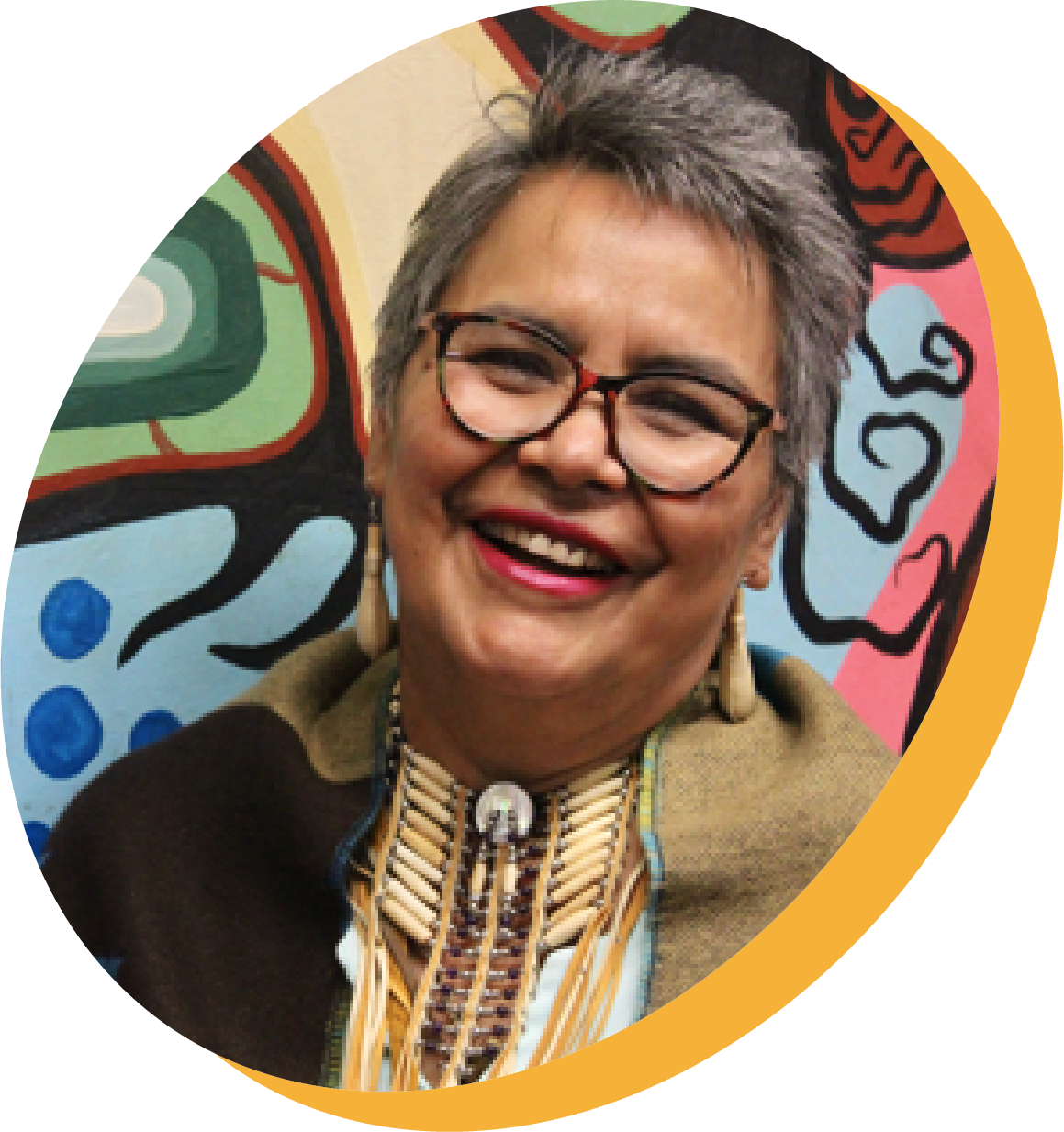
Special Guests




Conference Tracks

The Learner
Experience
Delve into strategies for placing learners at the heart of digital initiatives, ensuring inclusive and engaging experiences for all.

Transformative
Technology
Explore the latest advancements in technology-enabled education and how they are reshaping teaching and learning for the future.

Community
Impact
Success stories on how digital learning can uplift learners and communities, inspiring positive futures and shared achievement.

Lifelong Learning and Adaptability
Discover ways technology is empowering learners to continually grow, adapt, and contribute meaningfully throughout their lives.
Sponsored by









The Technology and Education Seminar and Showcase is made possible with funding by the Ministry of Colleges, Universities, Research Excellence and Security.
The views expressed at this event are not necessarily reflective of those of the funder.